I usually drape an old blanket over deck rails or a high deck chair and sit on a lower chair in my attempts to shut out neighbours' porch lights or street illumination.
The most interesting planets to observe in a telescope, I think most observers would agree, would be Saturn and Jupiter.
While you need a telescope to enjoy Saturn's rings and surface features, a good pair of binoculars are enough to keep you coming back to Jupiter night after night. That's because its four brightest moons - Ganymede, Io, Callisto and Europa - are easily visible with just 10x power, although as tiny specks. You can detect changes in their positions over a matter of hours as they orbit around Jupiter.
This moon dance is obvious when you take another look on the following night - the lineup will likely be quite different.
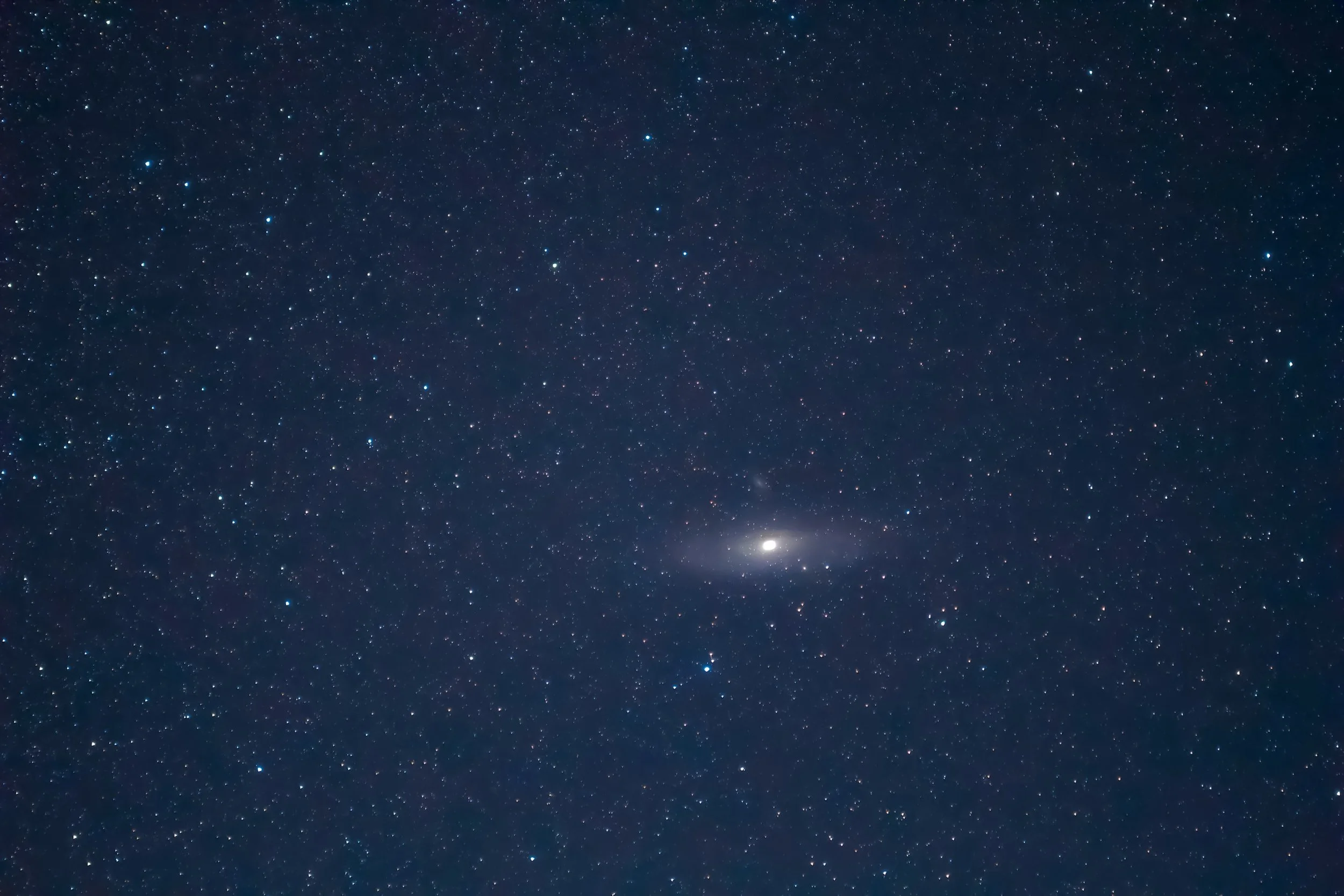
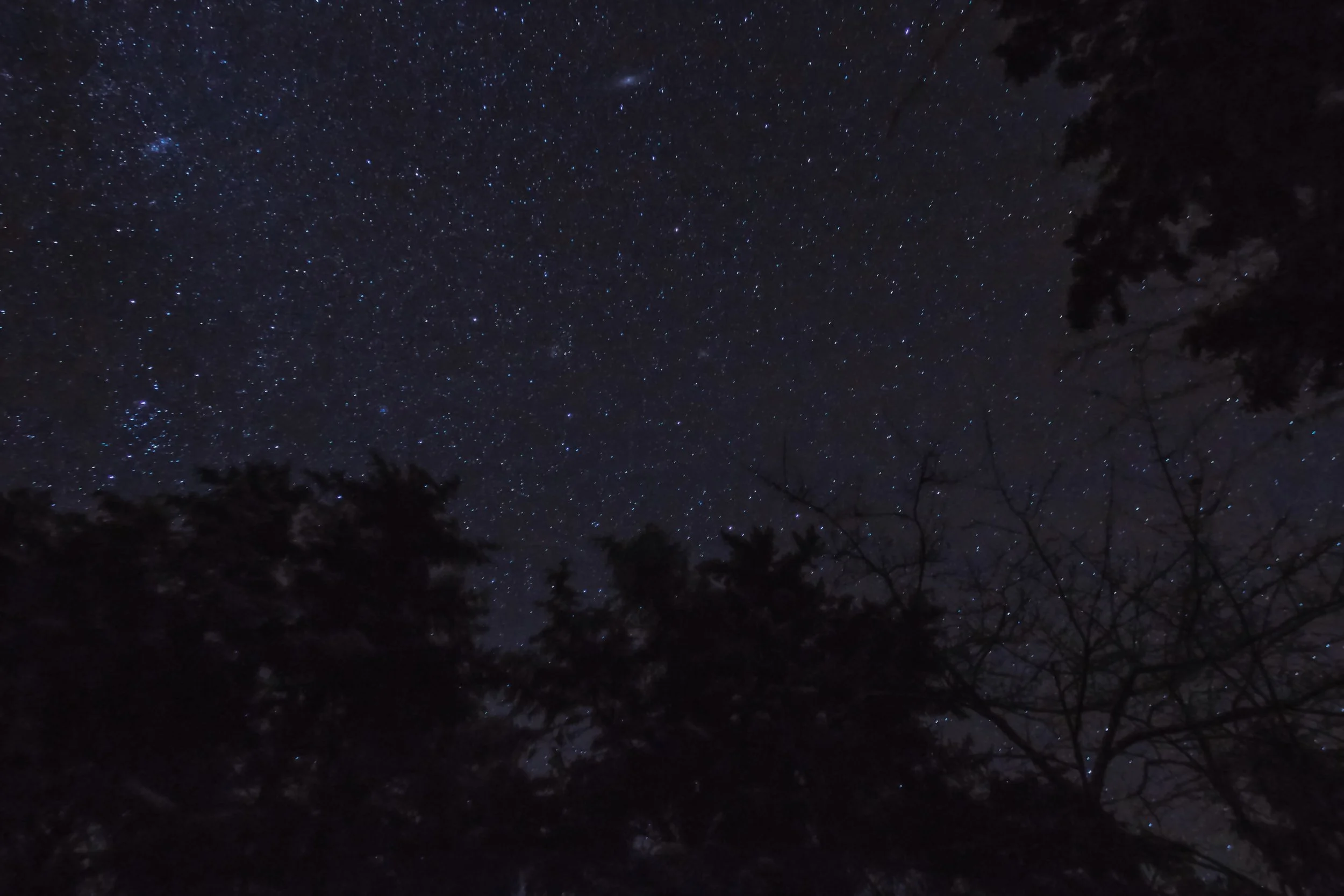
If you're more ambitious and have your eye on objects a lot farther down the cosmic road than our solar system, such as galaxies, you must flee the light and seek out a nice dark spot in the country.
In Nova Scotia, it doesn't take too much of a drive to escape light blight, even if you live in Halifax or Sydney. But you should get at least an hour's drive away from the city, since it doesn't take much sky glow to wash away detail in deep-sky objects.
Some of the province's dark sky areas are described on cleardarksky.com, a website that mainly focuses on weather and sky conditions for amateur astronomers. I say some because the website gets its light pollution information from the World Atlas of Artificial Night Sky Brightness, which oddly enough doesn't include Cape Breton and other parts of the province.
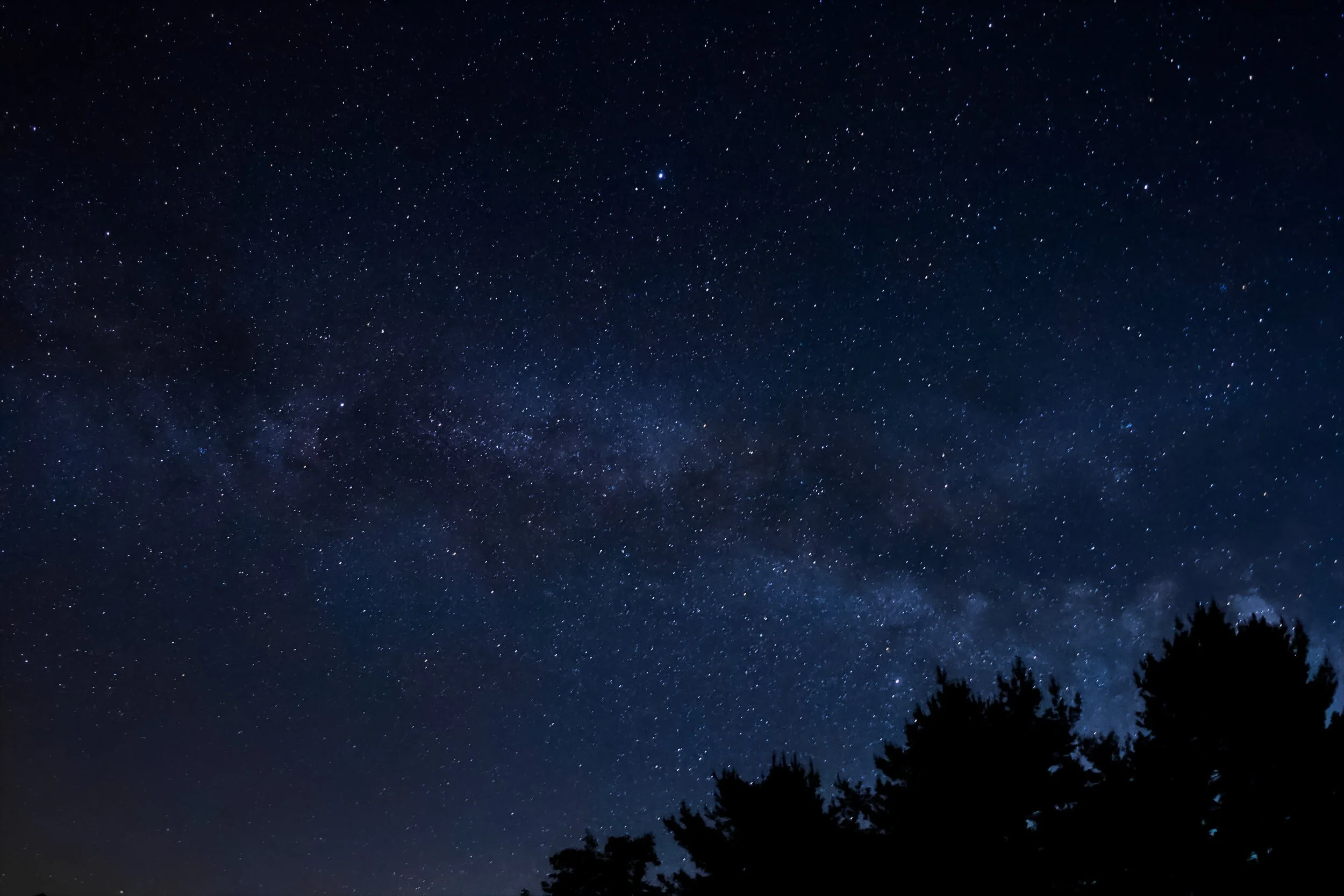
However, cleardarksky does indicate that areas such as Kejimkujik Natinoal Park in Queens County and the Argyle area near Yarmouth are little affected by light pollution. The Milky Way, the central region of our galaxy best visible in the summer, is so bright in these areas that it can cast shadows.